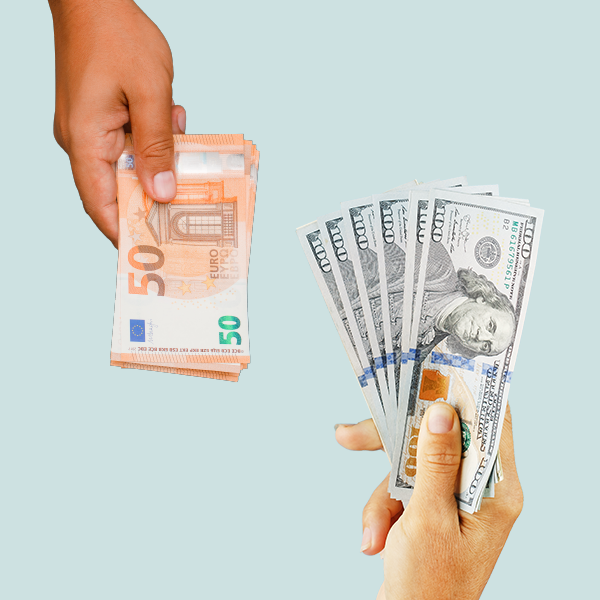
Top 10 Tips For Exchange Rate Margins In Terms Of Exchange Rates
Understanding the exchange rate margins of international finance is crucial for anyone who travels, does business or manages investments in foreign countries. The exchange rate margin is the difference in the buying and selling rates of currency. It can affect the overall transaction costs. These margins differ among providers. They affect how much money you pay to exchange currency or the profits you earn from investing. If you are aware of the subtleties of exchange rate margins you can make more informed choices that will save you money as well as improve your financial outcomes. These are the most specific tips for managing exchange rate margins.
1. Know What Exchange Rate Margin Means
The exchange rate spread or margin is the difference in price between what a currency is to buy (ask) as well as how much it costs to sell (bid). Knowing this is essential for business owners, travelers and investors as it can affect the amount you get when converting currencies. A smaller margin means an exchange rate that is better and allows for better financial decision-making.
2. Compare margins among providers
The various financial institutions, as well as currency exchange services, will offer different exchange rate margins. Comparing the margins of different currency exchange providers like banks, online platforms, or currency exchange kiosks is a good idea before you exchange any money. Websites like XE.com or OANDA provide real-time information on margins and rates. This lets you select the most cost-effective exchange method.
3. Understanding Market Influences on Margin
The margin of exchange rates can be influenced in many ways, including fluctuations in the market, geopolitical issues and economic indicators. For instance, a sudden economic downturn or political turmoil within a country could increase the margins due to increased risk. If you are aware of market dynamics, you can anticipate changes in currency rates and make timely decision about the transactions in currency.
4. Change your currency online
Online currency platforms usually provide better exchange rates and less margins when compared to traditional banks. Wise and Revolut are two examples. They provide real-time rates and less fees. These platforms can dramatically lower the cost of changing currencies to be used for business or travel purposes.
5. Timing Your Currency Exchange
The timing of your exchange rate has a significant effect on your margins. Rates of exchange fluctuate throughout the day, in accordance with demand and supply. Monitoring these fluctuations can assist you in determining the ideal time to exchange currencies, possibly leading to better margins. Tools that track the trend of currency can be beneficial in making these decisions.
6. Strategies for Currency Hedging Leverage
For businesses and investors Hedging currency is a great way to manage the margins of exchange rates. Hedging is the process of using financial instruments to secure exchange rates for future transactions, thereby safeguarding against fluctuations in currency value. This strategy can reduce the effect of increasing margins and improve the stability of profits especially for firms involved in international trade.
7. Keep an Eye on Economic Indicators
– Different economic indicators, including rates of inflation, interest rate and employment figures can impact the exchange rate. An increase in interest rates in a specific nation could stimulate the investment of foreign capital. This can strengthen the currency of that country, and decrease its margin. You can track these indicators for insight into possible currency movements, and adjust your strategy for exchange in line with the changes.
8. Travelers should take into consideration the local currency when traveling
Always pay in local currency when traveling instead of the currency you use in your country of origin. This can help you avoid the unfavorable margins of exchange rates, which are typically associated with merchants who offer dynamic currency conversion (DCC). Paying in local currency provides customers with a higher conversion rate. This can help lower the total price of purchases.
9. Beware of hidden fees
Beware of hidden charges. Currency exchange services may cost you additional fees on top of the margins for exchange rates. These could include service fees as well as transaction fees or commissions. These fees could affect the amount you receive in return. To avoid unexpected costs be sure to review the fine print before making a change in currency.
10. Speak with financial experts prior to major transactions
Consult with financial experts and currency specialists for valuable insights if you have to deal with large sums or complex currency transactions. They can help you to understand exchange rate margins, and offer strategies for minimizing costs. They are particularly helpful for companies who conduct international trade or investors who want to optimize their holdings of currency.
You can better manage currency transactions by following these steps. This is the case regardless of whether you're traveling, conducting a business, or managing your investments. Knowing how to manage the margins on exchange rates can assist you in making more informed financial decisions, which are in line with your objectives. This can ultimately save you money and enhance your financial plan. Have a look at the top this hyperlink on USD to AED for site info including usd to rs, dollar to php, rmb to dollar, usd jpy, usd to rs, dollar to rupee, pound sterling to usd, inr to usd, colombian peso to dollar, euro to dollar and more.
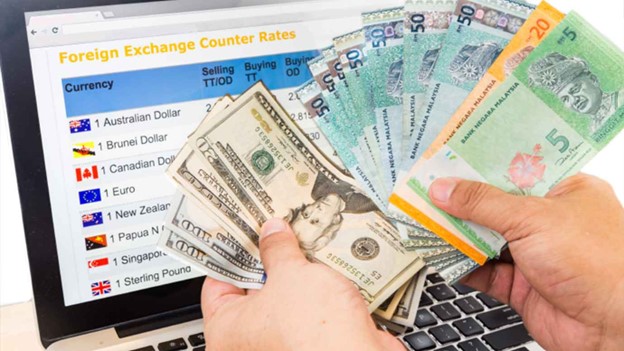
The Top 10 Tips For How To Pay In Foreign Currency
In the globalized economy of the present, choosing the right method of payment to manage financial transactions is crucial when you're on the road conducting business, or checking your investments. The method you choose can impact the cost, security and ease of use. The charges, exchange rates and acceptance levels of various payment methods may affect your overall experience. Knowing the distinctions between payment methods allows you to make better informed choices that are according to your needs. The top ten tips to help you select and effectively use payment methods to manage your finances are listed below.
1. Understanding the types of payment methods that are available
Learn about the various payment options that are available. They include cash, mobile payment as well as digital wallets. Each payment method has advantages and disadvantages, in terms of convenience, fees and acceptance. Cash is everywhere however it's not always suitable or secure for transactions of large amounts. Understanding each method's strengths and weaknesses will assist you in choosing which is best for your situation.
2. Be aware of the fees associated with currency conversion
Be aware that there might be charges for conversion of currency when you use credit cards or debit cards for international transactions. These fees can vary significantly between banks and credit card firms. Certain cards come with a foreign transaction charge, however, others don't. Make sure to contact your bank to find out their policy on currency conversion charges prior to traveling or make purchases overseas. Choose cards that minimize the expense.
3. Credit cards can be used without paying foreign transaction fees
If your goal is to travel abroad or make purchases abroad then you should consider credit cards that do not charge foreign transaction fees. The majority of travel-oriented cards offer this advantage. You can utilize your credit card in foreign countries at no additional cost. This could help you save dollars, particularly if you are frequent travelers or are making large purchases on foreign markets.
4. Utilize mobile phone alternatives
Mobile payment services, like Apple Pay, Google Pay and other digital wallets provide an easy way to conduct transactions without carrying cash or credit cards. These wallets typically have enhanced security features, such as biometric authentication and tokenization that make them a secure option for online and in-person transactions. To make your purchases more efficient you can make use of mobile payments to make fewer purchases.
5. Be aware of ATM fees when you withdraw cash
If you have to withdraw cash while traveling Be aware of possible ATM fees that may vary greatly. Certain banks charge fees for withdrawing money internationally, while other banks may work with local banks in order to provide fee-free withdrawals. Investigating ATM networks that offer low fees will help you save money when accessing cash from abroad. You can also make withdrawals of larger amounts to minimize the transaction cost.
6. Plan to use alternative payment methods
It is essential to have a backup plan of payment in case your primary method fails or you lose it. You can purchase items with a second credit/debit or cash card. This is particularly important when you travel, since certain areas may not be able to accept every payment method. Avoid unexpected events by preparing ahead.
7. Monitor exchange rates to make better decisions
If you're making foreign currency purchases, monitor the exchange rates so that you can make an informed choice about whether or not to change your currency. Apps and tools that track exchange rates in real-time will help you identify the most favorable conditions for currency converters. This may affect your payment method choice particularly when fees are associated with exchange rates.
8. Make sure you are aware of security features
When you are choosing a payment method you choose, safety of transactions must be at the forefront of your mind. Examine security features provided by your payment service provider or credit card service provider or the bank. Consider options that offer security against fraud, alerts on transactions, as well as encryption technology. Choosing secure payment options will safeguard you from fraudulent or unauthorised transactions.
Pay attention to the payment policies of your business
Understanding the payment policy can be essential in managing your cash flow. Investigate the different payment processors, their functions charges, and acceptance rates. Choose a payment method that matches your company's goals and needs, such as lower transaction costs, speedy processing times, or convenience. A carefully chosen payment method can increase the customer's experience and speed up your operations.
10. Educate Yourself on the different methods used to pay for investments
Understanding the different payment methods for purchasing and selling assets is crucial for investors. Different brokerage platforms could offer varying payment options for funding accounts or executing trades. Be familiar with the processing times and charges for each payment method. You should also be aware of the implications of leveraging or margin accounts, which may have a significant impact on your financial plan overall.
With these helpful guidelines on payment methods, you will be able to navigate the maze of business travel in business, conducting business, and monitoring your investments more efficiently. Knowing the various payment options, the fees and security measures will help you to make educated decisions regarding your finances. The right payment methods can help improve your overall experience while saving you some cash and provide peace of heart to your financial dealings. Take a look at the best https://prazskamincovna.sk/eurhuf/ for more advice including 1 us dollar in indian rupees, usd to pakistani rupee, euro to dollar conversion, php to usd, us dollar in indian rupees, pesos to us dollars, dollar to inr, cop to usd, baht to usd, cad to usd and more.